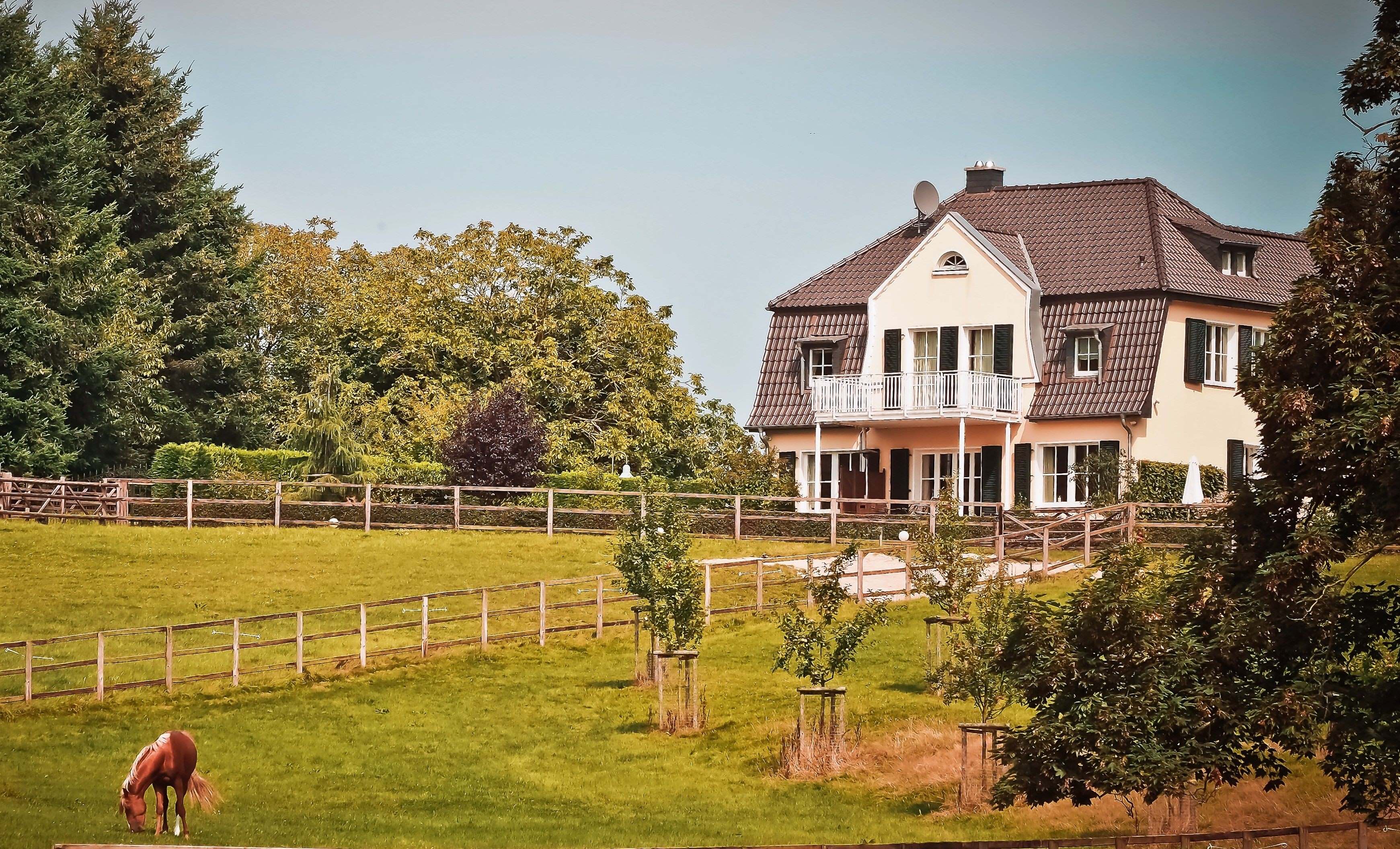
If you’re thinking about selling or buying a home in a rural area of Edmonton, be sure to give John Mattiello a shout, as he specializes in rural properties and knows the area best.
The thought of living on an acreage is incredibly appealing to many Canadians — to those who value the peace and quiet that acreage life can offer, the space between homes, and the fresh country air. Many Albertans live in rural settings, and many others wish they could.
As city of Edmonton is continuing to grow bigger and busier, a rural home beyond those limits can seem like a dream come true. So, when it comes time to buy or sell rural residential property, you need an assistance of a professional real estate agent licenced for this type of thing.
The definition of residential real estate includes rural residential properties, which can also be known as country residential properties , such as acreages. These properties have a residential dwelling or are intended for a residential dwelling, and their primary purpose is not farming.
There is a difference between purchasing a lot to plant and harvest or raise livestock and searching for an acreage as a country home. Financing, size of land, and zoning are different for commercial farm operations and residential properties. If you’re looking to find your own piece of paradise as permanent residence or as a vacation getaway, keep the following considerations in mind.
When in comes to buying rural property, it is important to check how the property is zoned. This is vital! Your real estate agent needs to ensure that you don’t end up with a property that you can’t use as you desire. Zoning will determine how you are able to use the land, as well as the types of buildings that are allowed and where they can be located. The property may be zoned as residential, agricultural, or perhaps country residential. If you develop a building that breaches zoning rules, the city or province may compel you to demolish it at your own cost.
Once you have determined how a property is zoned, it is important to look at the land. Requisitioning a survey early in the process will help mark the exact boundaries of your property to avoid future disputes. This is also a good time to get an appraisal done on the land and its value.
In rural Alberta, things like municipal sewage systems and paved roads may not be accessible. You’ll have to dig a well or two to obtain usable water. Additionally, you’ll have to maintain a septic system.
The government of Alberta recommends owners treat their wells annually through shock chlorination — the process of injecting chlorinated water into the well, which kills any bacteria. Most counties will provide rural homeowners with free annual water testing. This will test the water for bacteria and potability. Alternately, water testing kits are available through Dynalife labs for a fee.
To ensure everything is safe and in working order, it is a good idea to have an inspection done on the septic tank and water quality as a condition on your rural purchase offer. Due to the nature of these properties, be advised that inspections may cost more than it would in the city. However, it is important as lenders may request potability and flow tests!
You may as well need to deal with invasions from pests, damage to access toads to your property, garbage collection and knowing what to do when grass fires and floods become a problem.