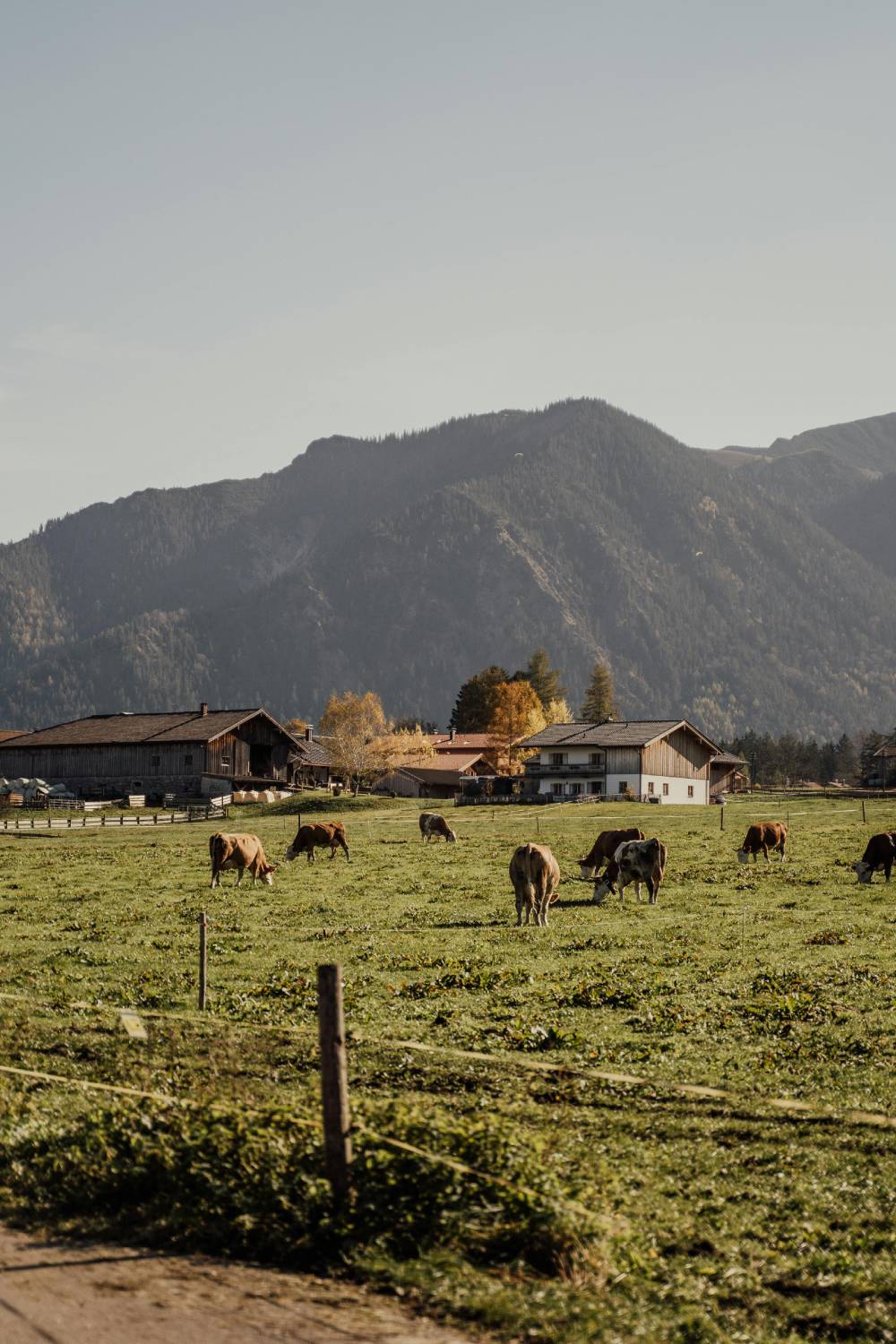
A farm is a plot of land devoted to agricultural process, while the farmhouse is usually a property located on a farm for farmer’s residence. Therefore, a farmhouse for sale nearby a parcel of land will generally sell together.
Agriculture is an important part of the economy in Canada. When you are considering buying or selling a farm, it’s important to be prepared for some of the hidden challenges that will come up. A lot of things will seem self-evident but here are a few things to consider.
Farm properties are a unique category of real-estate. There are many complex aspects to purchasing a farm that is not involved in the urban real-estate market. Make sure your agent is knowledgeable about farming and the details that are important like soil types and water rights. A good real estate agent will take time to seek out a critical information and guide you in decisions regarding zoning, easements and other complicated issues.
Rural real estate is complex, so finding a good real estate agent experienced in land purchasing is a necessary investment.
When selling a farm with a realtor, you don’t have to worry of finding a buyer yourself and your land will receive much wider advertising exposure through MLS. An experienced real estate agent knows the market and will be able to sell your land faster and on better terms.
What sorts of buildings and improvements are on the property? How many of them are useful to you in your farm business plan? Is there infrastructure or buildings that can be adapted to your needs if they don’t already match them currently? If the farm comes with equipment or a stockpile of resources like hay or firewood you may be able to use them to increase your returns.
What sorts of crops or livestock were raised on the property previously? Are there any parts of the property that have had different purposes in the past? The current owners may provide information, but consulting with the neighbors may also yield valuable insights about the farm you are buying.
What will your property taxes be? If the land is zoned as farming, you will have to keep it in production in order to keep the lower farm tax rate. If it’s not zoned for farming, you will have to inquire with the local zoning authority how to get the proper zoning approved.
Comprehensive soil tests and profiling will help you prepare for the best crop choices for your new farm. If you are interested in organic production, it would be wise to test your soil for residues and other heavy metals that may inhibit your ability to grow organically. This can be expensive but worth the investment.
If you plan on buying a farm, this is by far the most important resource to consider before you buy a farm. Water rights law is very complex and making sure you understand your rights and usage is extremely critical. Know if your rights are currently valid and active. What are the water sources on the property? It is also important to know what year your rights date back to. Senior water rights always get water first. Do you have ponds, creeks, or wells that you are legally able to irrigate from? What is the drinking water source? If from a well, test your water for metals and other contaminants.
Although you may not sell all of your main production at the local farmer’s market, these types of locations can add a lot of needed cash flow to the small farmer. Having one nearby will allow you to maintain cash flow throughout the year by marketing complimentary items. If you have some crops that appeal directly to end users, you can maximize your margins by selling directly at the market rather than to resellers.
A little bit of planning while you are looking for your new farm property can save big headaches in the long-run.